Although lead study author Audrey J. Gaskins, a
research associate at Harvard, speculates that seafood might improve semen
quality and egg release for ovulation, scientists can’t really say exactly what
the mechanism is for the improved pregnancy rates in regard to higher fish
consumption.
She notes, however, that if eating fish has anything
to do with bringing couples together, it’s more of a behavioral pathway rather
than a causal one. A reader commenting on the article suggested that it’s the selenium
that may have something to do with the “baby-making merit” of eating seafood,
and cited a study published in International Journal of General Medicine, which
observes:
“A
significant development in the last 10 years in the study of human infertility
has been the discovery that oxidative sperm DNA damage has a critical role in
the etiology of poor semen quality and male infertility. Selenium (Se) is an
essential element for normal testicular development, spermatogenesis, and
spermatozoa motility and function.”
Scientists in this study found that among 690 men
suffering from idiopathic asthenoteratospermia (reduced sperm motility), who’d
been given a combined supplement of 400 units of vitamin E and 200 μg of
selenium daily for at least 100 days, 52.6 percent of the men (362 of them) had
“significantly improved” sperm motility, morphology or both. There were also 75
cases of “spontaneous pregnancy.”
A case-controlled study in the U.K., published in
the British Journal of Obstetrics and Gynecology, targeted the selenium status
of women with a history of recurrent miscarriage and found evidence that selenium
deficiency was also a factor when study participants who couldn’t carry a
pregnancy to term were compared to women who’d had little or no trouble
becoming parents.
While the researchers found that the “difference was
seen in hair samples but not serum samples and therefore may not represent a
simple nutritional deficiency,” there was also a “significantly greater
proportion of women in the control group who ate cereals, vitamin supplements
and liver or kidney.”
That said, it’s interesting to note that, according
to Nutrition Data, while a 3.5-ounce (100-gram) piece of cooked beef liver
contains 57 percent of the daily value or Reference Daily Intake (RDI) of
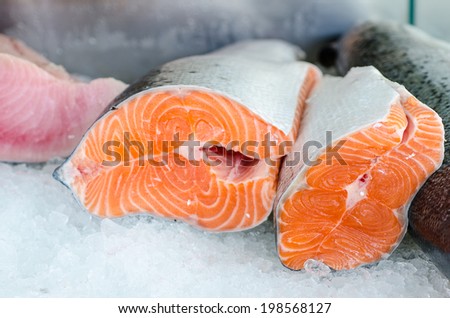
selenium, the same amount of wild-caught Alaskan salmon provides 67 percent of
the RDI in selenium.
Article Source: Dr Mercola at Mercola.com