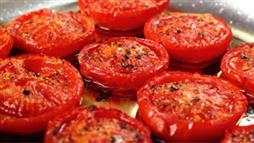
Noting that prostate cancer is the second most
frequently diagnosed cancer among men worldwide, researchers from the
University of Illinois at Urbana-Champaign conducted a meta-analysis of 30
studies related to dietary tomato intake and prostate cancer, which was
published in the journal Prostate Cancer and Prostatic Disease.
After summarizing data from more than 24,000 cases
involving upward of 260,000 participants, they concluded "increased tomato
consumption is inversely associated with prostate cancer risk." The
findings were summarized as follows:
Higher total tomato consumption was associated with
a reduced risk of prostate cancer
Specifically, tomato foods, cooked tomatoes and
tomato sauces were linked to a reduced risk of prostate cancer
No associations were found with respect to raw
tomatoes
A 2011 study published in the British Journal of
Nutrition demonstrated lycopene in cooked tomatoes was able to slow
the growth of, and even kill, prostate cancer cells in test tube-based
experiments. Researchers from the U.K.'s University of Portsmouth tested the
effects of lycopene on the mechanism through which cancer cells flourish by
disrupting your body's blood supply. Specifically, they found lycopene
prevented cancer cells from attaching to a healthy blood supply.
Mridula Chopra, Ph.D., study author and senior
lecturer for the school of pharmacy and biomedical sciences at the University
of Portsmouth, said, ''[While] more testing needs to be carried out to confirm
our findings, the laboratory evidence we have found is clear. It is possible to
intercept the simple mechanism some cancer cells use to grow at concentrations
that can be achieved by eating sufficient [amounts of] cooked tomatoes.''
The research was partially funded by H.J. Heinz, and
the food manufacturer requested follow-up research related to previous studies
conducted by the same group of scientists. The earlier studies showed a
significant increase in lycopene levels in blood and semen samples after
subjects ate 14 ounces (400 g) of processed tomatoes for two weeks.
The current study underscored lycopene for its
anti-angiogenic properties, which explains why it has been recognized as an
important anticancer compound. Before any firm conclusions can be drawn,
however, researchers noted the need to conduct tests involving human
participants. Chopra stated:
"Individuals
will vary in how much lycopene their bodies make available to fight cancer cell
growth. The ability of lycopene to 'intercept' in this way in the body is
likely to vary between tomato products — both processing and cooking with fat
have previously been shown to make lycopene more effective biologically. The
type of tomatoes that offer the most effective lycopene also differs, and more
tests need to be done to find the best breed of tomato for this purpose.''
Article Source: Dr Mercola at Mercola.com