Featured post

Building Wealth Through eCommerce

Building wealth through eCommerce has become one of the most accessible opportunities of the digital age. With a laptop, internet connection...

Saturday, June 09, 2018

Harmful Effects of Eating Certain Fish


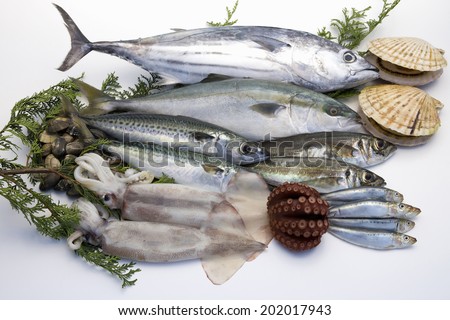
Whole fresh fishes on display.
Monterey Fish explains that the above ocean fish should be avoided, and includes King mackerel, barracuda, marlin, conger eel, jacks and Gulf of Mexico tilefish. Similarly, steer clear of certain wild freshwater fish, as well, including whitefish, pickerel, pike, walleye and lake trout due to potential mercury contamination. However, here’s an interesting twist to the narrative.

In some cultures, fish is on the menu far more often than in the U.S., especially Japan, a relatively small nation entirely surrounded by water. In fact, it’s consumed four to five times more there than in the U.S. The people have regularly consumed the largest tunas they could catch for centuries, so it’s very likely they accumulated large amounts of methylmercury, apparently without causing problems. But there’s more:

“A number of studies have found that the essential element selenium, high amounts of which are found in ocean fish, sequesters mercury, thus neutralizing its toxic effects. This may be the reason why studies have never shown an epidemic of child developmental problems in coastal populations whose diets have been comprised in large part of seafood.”

Further, the omega-3 fatty acids in healthy seafood, namely fresh-caught Alaskan salmon, sardines, mackerel, herring and anchovies, are essential for your overall health. If you do not eat fish for whatever reason, I recommend that you take a quality supplement to supply it.

My best recommendation is krill oil, which is animal based and contains the highly crucial EPA and DHA omega-3s your body needs. EPA and DHA are important for your heart and brain, cellular and mitochondrial function, bone health and mood regulation, as well as for healthy fetal development and pregnancy.

On the other hand, methylmercury poses the greatest threat to the nervous system while unborn babies and newborns are developing — their brains, immune and nervous systems and retinas, in particular. It easily penetrates the placenta, where the mercury concentration in red blood cells may be 30 percent higher than in those of the baby’s mother.

Article Source: Dr Mercola at Mercola.com  


The Healthy Aspects of Eating Fish


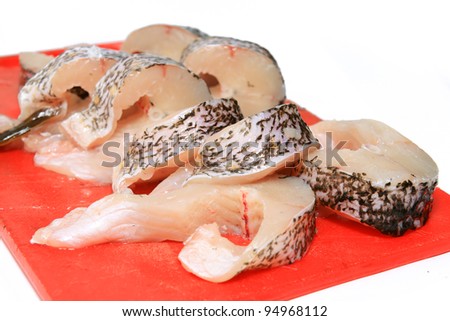
Fresh uncooked fish pieces
Gaskins says he believes women have been “scared off fish” because of the growing threat of mercury poisoning and adds that there’s low-level contamination in commonly eaten seafood such as shrimp and canned tuna. As healthy as it may have been to have fish on the menu at least twice a week 100 years ago, the growing problem of tainted waters has led to fish being contaminated by mercury and other pollutants.

But how does mercury get into the fish in the first place? Primarily, there are mercury “hot spots” where accumulation comes from chlorine production facilities, offshore oil-drilling platforms and coal-burning power plants. Scientific American notes that while mercury is a naturally occurring element found in plants, animals and elsewhere throughout the environment, human involvement in industrial endeavors for the last 150 years or so has “ratcheted up” the amount of airborne mercury.

It’s not a negligible amount — it’s substantial. Fish and many types of ocean life ingest the mercury — more specifically, methylmercury cysteine, the type found in seafood — until it finally reaches the humans who eat it. Live Science observes, “Mercury in humans may cause a wide range of conditions including neurological and chromosomal problems and birth defects.” Additionally:

“Once in the water, mercury makes its way into the food chain. Inorganic mercury and methylmercury are first consumed by phytoplankton, single-celled algae at the base of most aquatic food chains. Next, the phytoplankton are consumed by small animals such as zooplankton.

The methylmercury is assimilated and retained by the animals, while the inorganic mercury is shed from the animals as waste products … Small fish that eat the zooplankton are exposed to food-borne mercury that is predominantly in the methylated form. These fish are consumed by larger fish, and so on until it gets to humans.”

An example of how insidious toxic mercury contamination is has to do with larger fish, such as tuna, swordfish, shark, large bluefish and grouper, having exponentially more mercury in them because they eat smaller fish, and the contamination is cumulative.

Article Source: Dr Mercola at Mercola.com